
A blurry X-ray image, a missed defect, or an interrupted inspection can affect decisions that depend on accurate results. Reliable imaging depends on carefully controlled electrical power.
Understanding X-ray tube voltage helps engineers evaluate how X-ray systems generate radiation and interact with different materials. From medical imaging to industrial inspection, appropriate voltage control influences penetration, image contrast, and operational performance. Selecting suitable high-voltage technology is therefore essential for developing dependable systems that meet specific application requirements while maintaining consistent output and efficient operation.
High-Voltage Power Supporting Accurate X-Ray Performance
Reliable X-ray applications depend on stable electrical output, suitable operating parameters, and power systems designed around specific imaging requirements.
1. Controlling X-Ray Production
High voltage accelerates electrons inside an X-ray tube toward a target, producing X-rays when they interact with the target material.
- Regulating electron energy: Voltage influences the maximum energy of the generated X-ray photons.
- Matching application requirements: Suitable settings help systems examine materials of different thicknesses and densities.
Careful voltage selection supports predictable imaging performance across different inspection environments.
2. Improving Image Quality And Material Visibility
Image quality depends on several factors, including voltage, current, exposure time, detector characteristics, and the material being examined. Voltage influences beam penetration and image contrast.
- Enhancing material penetration: Appropriate voltage helps inspect thicker or denser objects.
- Supporting useful contrast: Correct settings help distinguish relevant features within an image.
Engineers must balance these factors according to the intended application rather than assuming higher voltage always produces better results.
3. Supporting Reliable Industrial Inspection
Industrial inspection often involves examining internal structures without damaging the tested object. Applications include aerospace components, automotive parts, electronic assemblies, and manufactured materials.
- Detecting internal defects: X-ray inspection can reveal cracks, voids, inclusions, and structural irregularities.
- Adapting to material differences: Voltage requirements vary according to object thickness, composition, and inspection objectives.
Suitable power technology helps inspection systems deliver repeatable results in demanding production environments.
4. Maintaining Consistent Electrical Output
Fluctuations in electrical output can affect X-ray generation and image consistency. Stable high-voltage systems help maintain predictable operating conditions during repeated scans or extended inspection cycles.
- Reducing output variation: Stable power supports consistent imaging conditions.
- Supporting dependable operation: Appropriate thermal management and control circuitry can improve operational reliability.
These capabilities are particularly valuable when X-ray equipment operates continuously or forms part of an automated inspection line.
5. Integrating Compact Power Technology
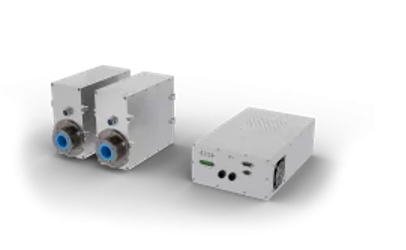
Modern equipment developers often need powerful components that fit within limited installation spaces. Integrated X-ray sources combine the tube, high-voltage power supply, and control electronics in one compact unit.
- Simplifying system integration: Integrated components can reduce separate assembly requirements.
- Supporting flexible designs: Compact configurations help OEMs develop equipment around specific size and performance constraints.
The appropriate configuration depends on the intended application, available space, power requirements, and operating environment.
6. Managing Heat And Operating Conditions
High-voltage equipment must manage heat and electrical stresses during operation. Insulation, cooling arrangements, component design, and environmental conditions all influence system reliability.
- Managing thermal loads: Suitable cooling helps control heat generated during operation.
- Supporting electrical stability: Appropriate insulation and protective design help maintain dependable performance.
Evaluating these factors during equipment selection can reduce integration challenges and support long-term operational consistency.
See also: The Future of Augmented Reality in Everyday Life
Key Factors Influencing X-Ray Tube Voltage Selection
Selecting the correct operating voltage requires balancing material penetration, image contrast, detector response, and the requirements of the intended inspection task.
The appropriate X-ray tube voltage depends on the object being examined and the result the system needs to achieve. Thicker or denser materials may require greater penetration, while other applications prioritize contrast between materials with similar properties. Engineers should also consider tube specifications, detector capabilities, exposure settings, and radiation protection requirements. Voltage cannot be selected independently of the wider system because current, geometry, filtration, and exposure duration also affect imaging results. Careful evaluation helps equipment developers establish suitable operating parameters, maintain repeatability, and avoid unnecessary power demands. In medical applications, qualified professionals must select exposure settings according to clinical requirements and applicable radiation-safety practices.
Applications Benefiting From Advanced High-Voltage Technology
High-voltage X-ray systems support a wide range of inspection, diagnostic, and analytical applications where controlled radiation output is essential.
1. Medical And Veterinary Imaging
Medical and veterinary systems use X-rays to examine internal structures and support diagnostic decisions. Appropriate power control helps equipment deliver imaging performance suited to the examination while supporting established exposure-management practices. System requirements vary by procedure, anatomy, detector, and equipment configuration.
2. Security Screening And Cargo Inspection
Security systems inspect baggage, parcels, vehicles, and cargo for concealed objects. Suitable high-voltage technology helps X-rays penetrate inspected items while supporting the imaging requirements of the screening system. Reliability is particularly important in environments with high inspection volumes.
3. Electronics Manufacturing And Verification
Electronic manufacturers use X-ray inspection to examine hidden structures, assess assembly quality, and count components on printed circuit boards. Stable output and suitable imaging parameters can support accurate results while helping manufacturers integrate inspection into quality-control workflows.
4. Industrial Non-Destructive Testing
Non-destructive testing allows engineers to examine components without cutting or damaging them. X-ray systems can reveal internal defects in metal parts, composite structures, and other materials. The required voltage depends on material characteristics, thickness, geometry, and the inspection objective.
5. Food Quality And Contaminant Detection
Food inspection systems can use X-rays to identify certain foreign materials, such as metal, glass, or bone fragments, depending on their properties and the system’s capabilities. Appropriate power selection supports detection performance while helping manufacturers maintain efficient inspection processes.
6. Scientific And Analytical Applications
Scientific instruments use X-rays to investigate material composition and characteristics. Stable, repeatable output can support dependable measurements and comparisons across samples. Equipment selection should account for the analytical method, sample properties, required precision, and integration environment.
Conclusion
High-voltage technology helps determine how effectively X-ray systems examine materials, produce useful images, and perform across demanding applications. Careful attention to voltage control, output stability, thermal management, and integration requirements can improve system performance while supporting reliable operation.
For OEMs seeking a dependable High-Voltage Power Supplier, VJ X-Ray offers integrated X-ray sources and high-voltage generators for medical imaging, industrial inspection, security screening, electronics, food inspection, and analytical systems. Its product range includes compact integrated units and configurable generators with varied voltage and power outputs. Focused on reliability, integration flexibility, and application-specific requirements, VJ X-Ray helps equipment developers identify high-voltage solutions that match their technical needs and product goals.


